
by Watt Global Media/March 5, 2021
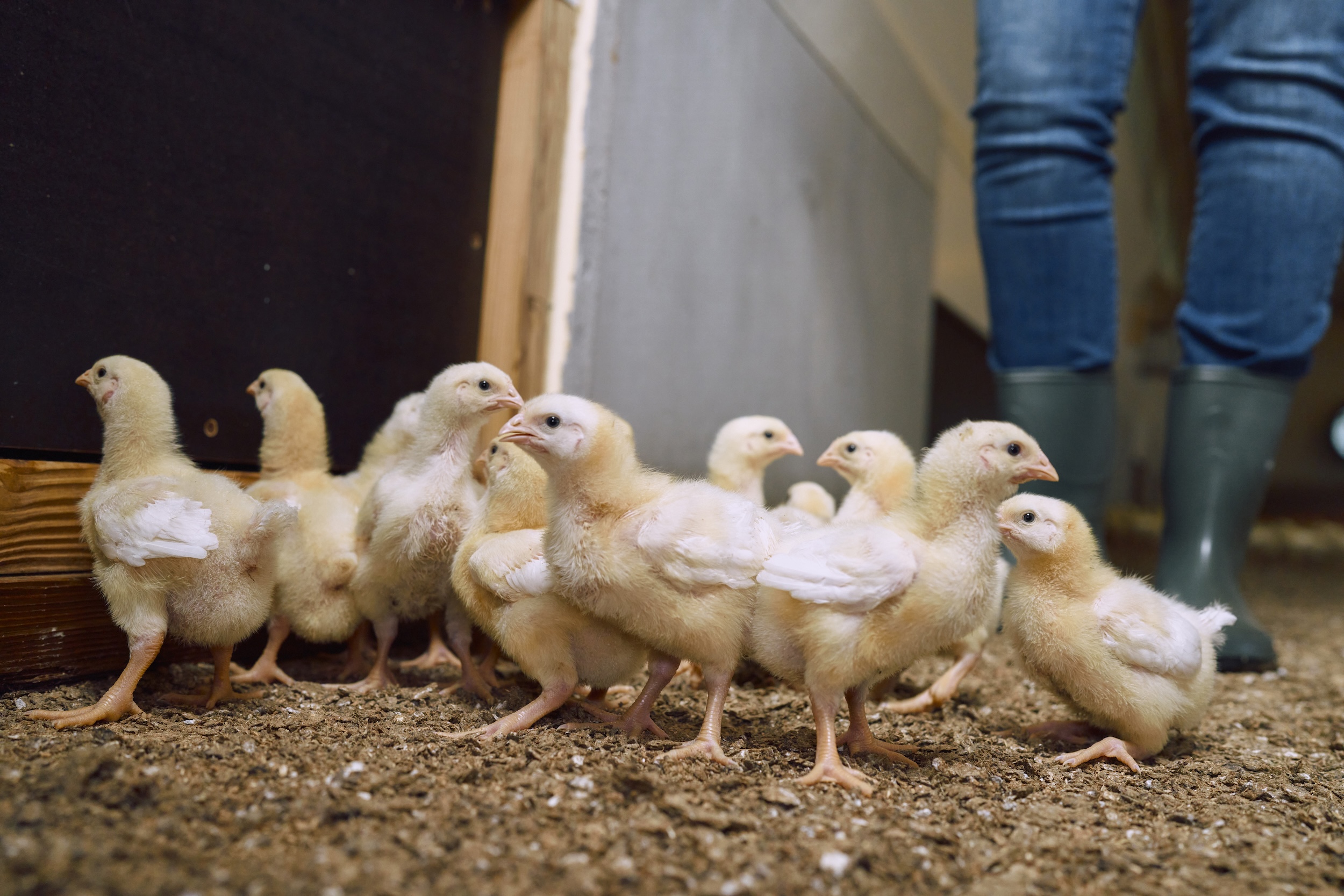
Incubation period variation is related to the growth rate of embryos, which differs between batches of eggs. Flock age and egg storage are among the key parameters that influence embryonic growth rate and, in turn, hatching duration. New techniques will allow greater control over embryonic growth to improve uniformity. Developments that include increased roles of both ultrasound and micrometry eggshell analysis, which grade shell thickness, may soon be used commercially to influence the hatch window and day-old chick uniformity. This will assist in creating robust day-old chicks, better prepared to express their genetic potential from the moment of hatch.
WHAT YOU’LL LEARN:
- There may be two distinct explanations for the shorter incubation time of eggs from peak production flocks.
- Temperature distribution should be as narrow as possible to meet the requirement of individual eggs and, thus, individual embryos in the incubator.
- Measuring the true incubation period from setting to hatching is important for optimized planning.
- New hatchery systems improve control in the hatchery by automatically alerting the hatchery manager to alarm events, and provide predictive management tools for hatchery maintenance and the management of spare parts and stock.
This webinar series is sponsored by Boehringer Ingelheim and is presented by WATT Global Media.
©2025 Boehringer Ingelheim Animal Health USA Inc., Duluth, GA. All rights reserved. US-POU-0072-2025