
Internal parasites of horses live in one of two places: in the horse's environment as larvae (typically pastures) or inside the horse. Once inside the horse, the larvae mature and may migrate to various areas of the horse, such as the stomach, intestine, lungs or blood vessels. Each parasite has a specific life cycle, but in general they follow the pattern below:


Horses ingest the egg or larvae while grazing.
Inside the horse the larvae develop and mature and may migrate to various sites, such as the stomach, intestine, lungs and blood vessels and may cause damage there.
The adult worms lay eggs that are passed in the manure (or develop into larvae that are passed) to start the cycle again.
Eggs or larvae are passed in the manure and contaminate the pasture.
1. AAEP Parasite Control Guidelines Available at: https://aaep.org/sites/default/files/Documents/InternalParasiteGuidelinesFinal5.23.19_0.pdf. Accessed Nov. 16, 2020.
2. Kaplan RM, et al. Prevalence of anthelmintic -resistant cyathostomes on horse farms. J AM Vet Med Assoc. 2004;225(6):903-910.
3. McFarlane D, Hale GM, Johnson EM, Maxwell LK. Fecal egg counts after anthelmintic administration to aged horses and horses with pituitary pars intermedia dysfunction. J AM Vet Assoc. 2010; 236(3):331.
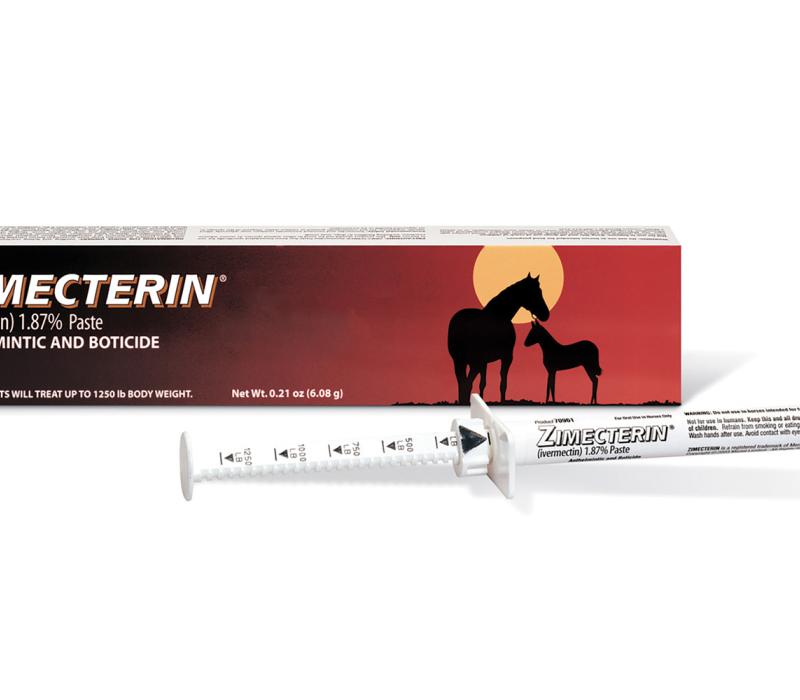
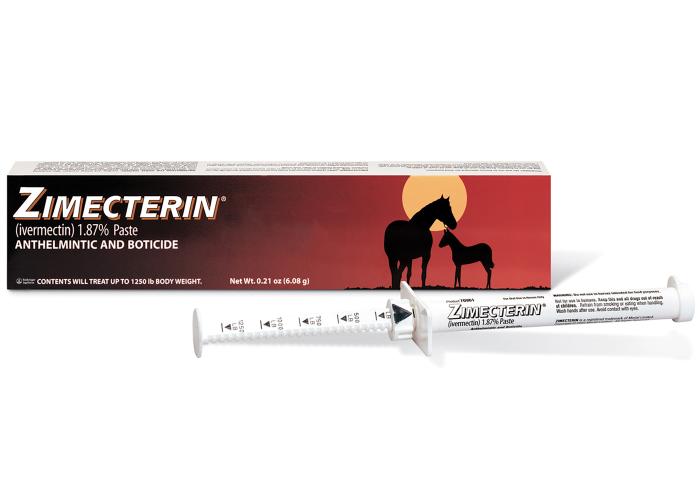
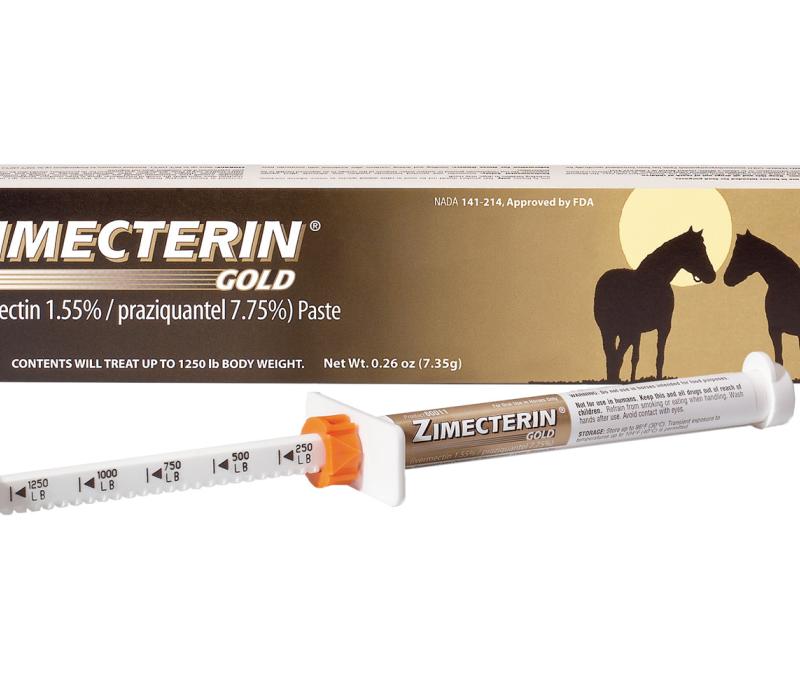
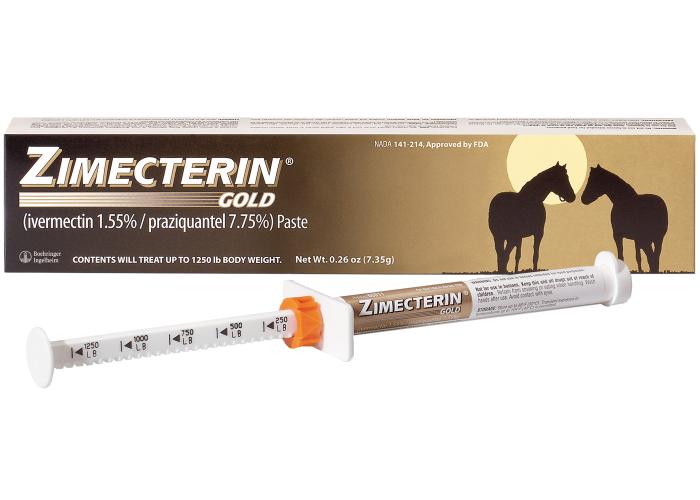
4. ZIMECTERIN Gold Product Label.
ZIMECTERIN® is a registered trademark of Boehringer Ingelheim Animal Health France, used under license. ©2025 Boehringer Ingelheim Animal Health USA Inc., Duluth, GA. All rights reserved. US-EQU-0111-2021-V2