
Treat with confidence
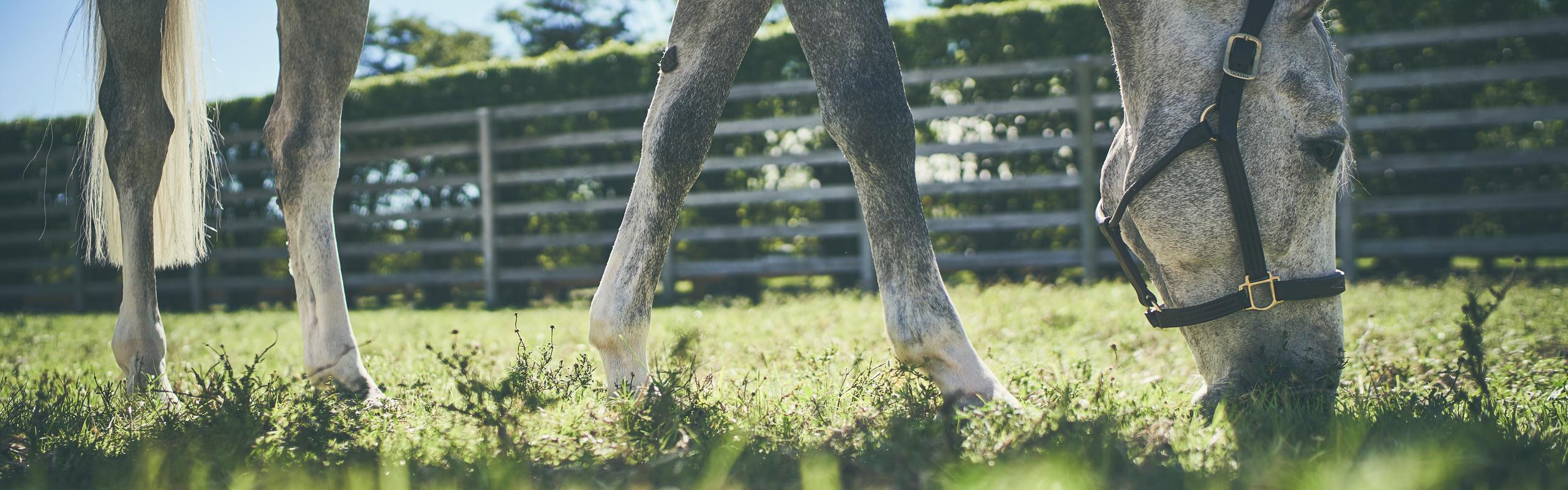

Equine nervous system
The horse’s nervous system consists of the brain, brainstem, spinal cord and peripheral nerves. Each part of the nervous system controls a specific job such as behavior, reflexes, and coordination of movement. The clinical signs of neurologic diseases depend on which part of the nervous system is affected. The disorders are serious and often can be debilitating.
Possible causes of equine neurological diseases include developmental problems, trauma, degenerative conditions, and infectious diseases. One of the most common equine central nervous system disorders is equine protozoal myeloencephalitis (EPM). This serious disease is most commonly caused by the parasite Sarcocystis neurona that invades the brain and spinal cord. The infective stage of the parasite (the sporocysts) is passed in the opossum's feces. Opossums are definitive hosts for this parasite and horses become infected through contact with the feces by grazing or by eating contaminated feed. The ingested sporocysts can migrate from the intestinal tract into the bloodstream and cross the blood-brain barrier then begin to attack the horse's central nervous system.
More than 70 percent of all horses in the United States may have been exposed to the organism at some point in their lives but only approximately one percent of exposed horses develop the clinical disease.2 EPM can be difficult to diagnose because its signs often mimic other health problems in the horse and signs can range from mild to severe. The sooner EPM is diagnosed and appropriately treated, the better the chance of recovery.
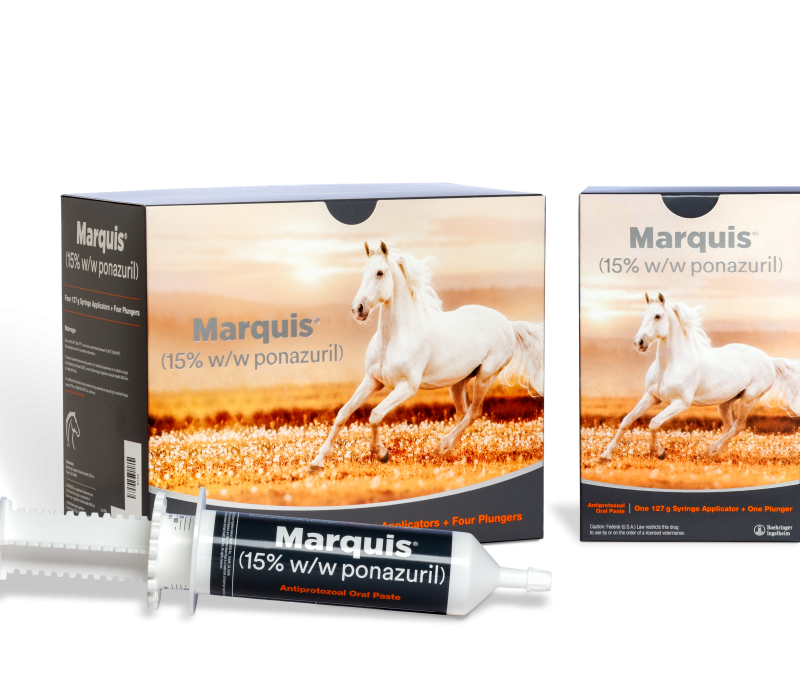

MARQUIS IMPORTANT SAFETY INFORMATION: The safe use of MARQUIS in horses used for breeding purposes, during pregnancy, or in lactating mares has not been evaluated. In animal safety studies, loose feces, sporadic inappetence, lost weight, and moderate edema in the uterine epithelium were observed. For use in animals only. Not for human use. Keep out of reach of children.
1Based on MARQUIS FOI Summaries. Study 141-188 Bayer Corporation.
2Reed, S. M., Furr, M., Howe, D. K., Johnson, A. L., MacKay, R. J., Morrow, J. K., Pusterla, N., & Witonsky, S. (2016). Equine Protozoal Myeloencephalitis: An Updated Consensus Statement with a Focus on Parasite Biology, Diagnosis, Treatment, and Prevention. Journal of Internal Veterinary Medicine, 30, 491–502.
MARQUIS® is a registered trademark of the Boehringer Ingelheim Animal Health USA Inc. ©2025 Boehringer Ingelheim Animal Health USA Inc., Duluth, GA. All rights reserved. US-EQU-0130-2021-V3