
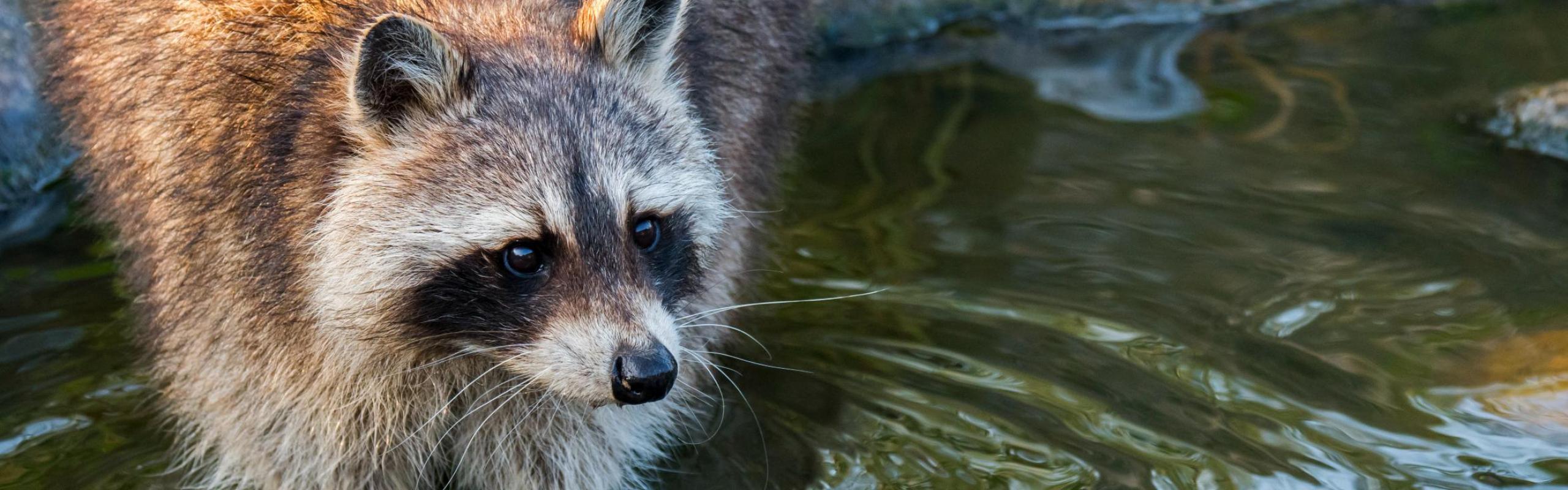
In the United States, populations of raccoons, foxes, skunks and bats maintain the rabies virus in nature. Bite wounds from these species transmit the rabies virus in saliva to unvaccinated pets and other domestic animals. In Puerto Rico, mongooses and bats are the rabies virus reservoirs.
From 2015 to 2024, 17 cases of human rabies were documented, two of which were contracted outside of the United States.1 In 2023, 3,760 cases of rabies were reported, of which 92% percent were wildlife.2
The estimated public health cost of rabies in the United States is $245 million to $510 million annually. This estimate is based on available data on costs associated with the vaccination of companion animals (dogs and cats), national rabies diagnostic testing, and rabies post-exposure prophylaxis (PEP) and pre-exposure prophylaxis (PrEP). However, the total expenditures on rabies — accounting for associated healthcare costs, animal control measures and time lost from work — are much greater.
With RABORAL V-RG®, your local public health officials have the ability to vaccinate raccoons and coyotes against rabies. This indirectly reduces the potential exposure to and infection of pets, livestock and humans.