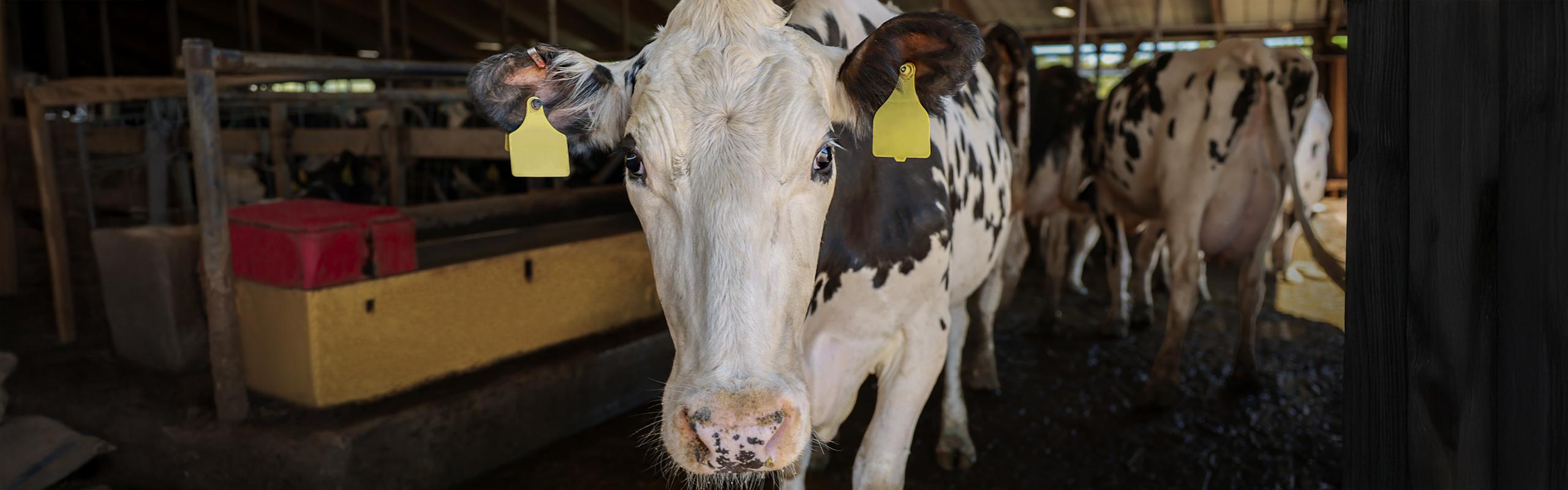
Cow Close Up
Cow Close Up

Transition Cow Health

Cows that thrive during transition perform better during lactation

Transition cows may be at risk for:

  • Clinical or subclinical hypocalcemia (milk fever) – Low blood calcium
  • Displaced abomasum – Rotation of the abomasum out of its normal position, potentially leading to obstruction and compromised blood supply
  • Fatty-liver syndrome – Excessive accumulation of fat in the liver
  • Ketosis – High blood concentrations of non-esterified fatty acids and ketone bodies, as well as low concentrations of glucose, leading to anorexia and depression
  • Mastitis – Inflammation of the mammary glands
  • Metritis – Inflammation of the uterus after calving
  • Retained placenta – Failure of the calf’s side of the placenta, or fetal membranes, to separate from the mother’s side


Poor transition to lactation can also lead to a loss of up to 4,000 pounds of unrealized milk yield per cow per lactation.1
Help your cows make a smooth transition 

Cows that successfully manage the transition are less likely to experience post-calving disorders, and more apt to achieve higher milk production and better reproductive performance. Work with your veterinarian to create transition-cow protocols, which may include:

Before calving

  • Help prevent mastitis with a dry cow therapy program:
    • Intramammary antibiotic
    • Teat sealant
    • Oral supplement to help reduce milk production 
    • Vaccination against coliform mastitis
  • Vaccinate cows against reproductive diseases to help protect the pregnancy
  • Work with your nutritionist to provide optimum levels of protein, vitamins and minerals to cows during the two to three weeks before calving
  • Cow comfort: Provide clean, dry stalls and facilities, adequate bunk space and less than 85% stocking density
  • Minimize pen changes and provide heat abatement
  • Monitor urine pH as calving nears if feeding a dietary cation-anion difference (DCAD) diet

At calving

  • With your veterinarian’s input, design proper calving protocols and train employees
  • Provide cows with a clean, comfortable and stress-free calving environment during and after calving
  • Offer high-quality forage and feed additives as needed
  • Administer calcium supplementation if required 

After calving

  • Observe fresh cows closely for signs of disease, especially in the first two weeks of lactation
  • Monitor body-condition scores and milk production
  • Identify and treat problems early for best results

Transition Cow Products

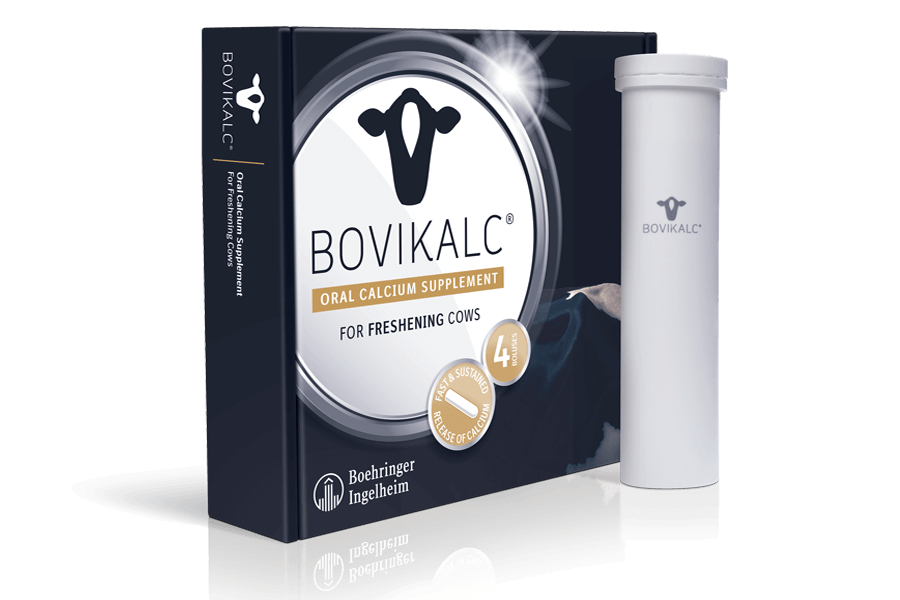
Bovikalc Product

BOVIKALC®

Bovikalc Product

BOVIKALC®

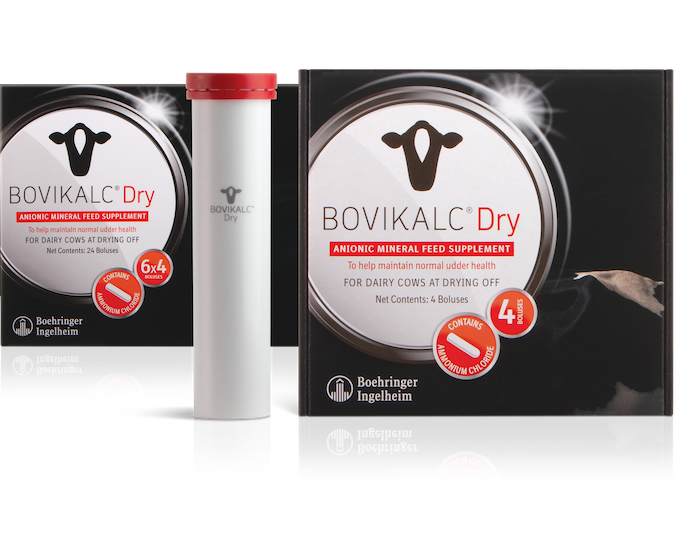
BOVIKALC DRY packaging

BOVICKALC® DRY

BOVIKALC DRY packaging

BOVICKALC® DRY

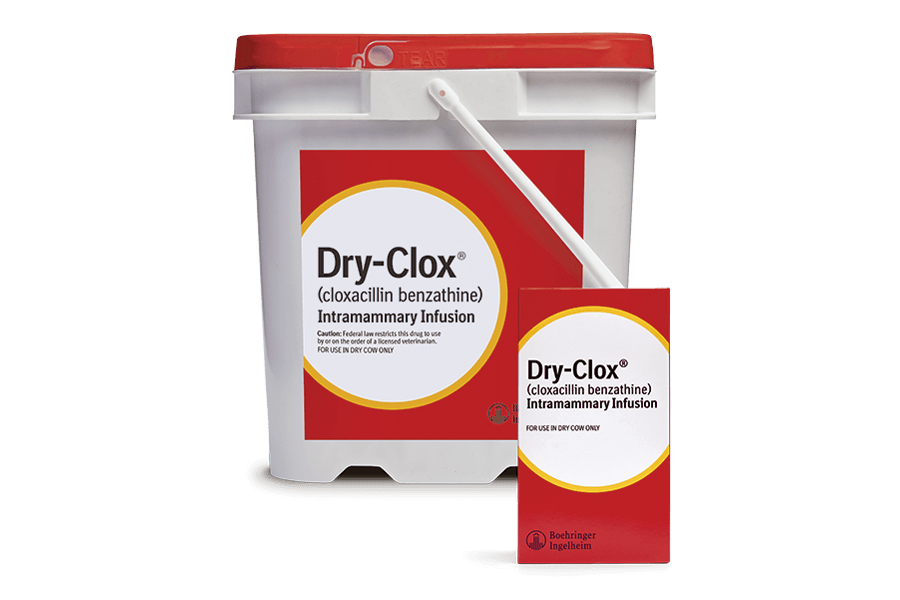
Dry-Clox Product

DRY-CLOX® (cloxacillin benzathine)

Dry-Clox Product

DRY-CLOX® (cloxacillin benzathine)

Bovikalc Product

BOVIKALC®

Bovikalc Product

BOVIKALC®

BOVIKALC DRY packaging

BOVICKALC® DRY

BOVIKALC DRY packaging

BOVICKALC® DRY

Dry-Clox Product

DRY-CLOX® (cloxacillin benzathine)

Dry-Clox Product

DRY-CLOX® (cloxacillin benzathine)

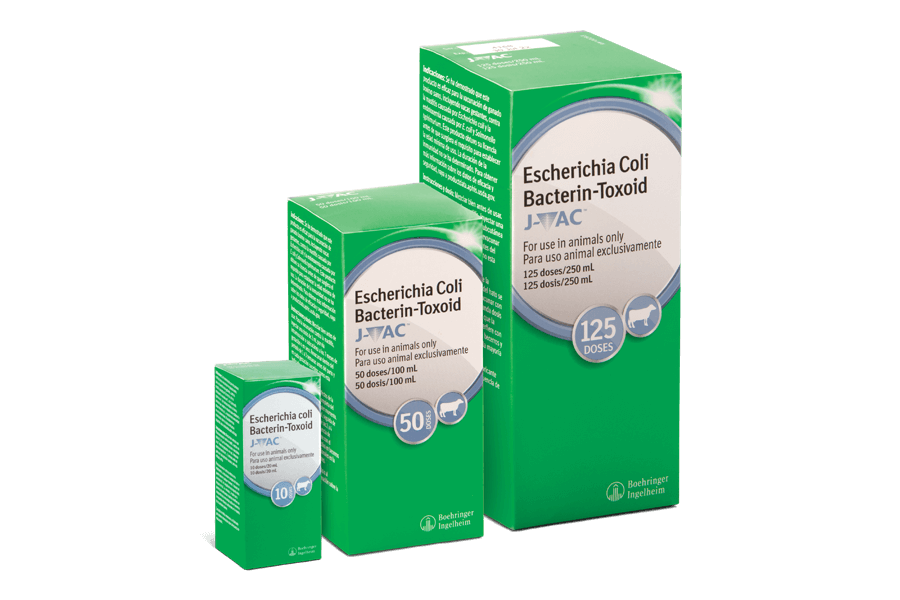
JVAC package

J-VAC®

JVAC package

J-VAC®

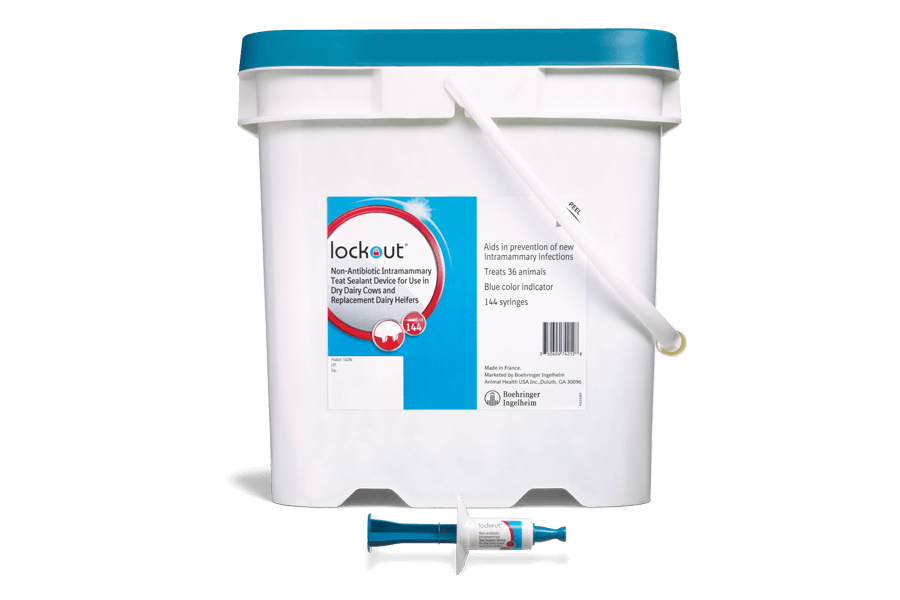
Lockout Products

LOCKOUT®

Lockout Products

LOCKOUT®

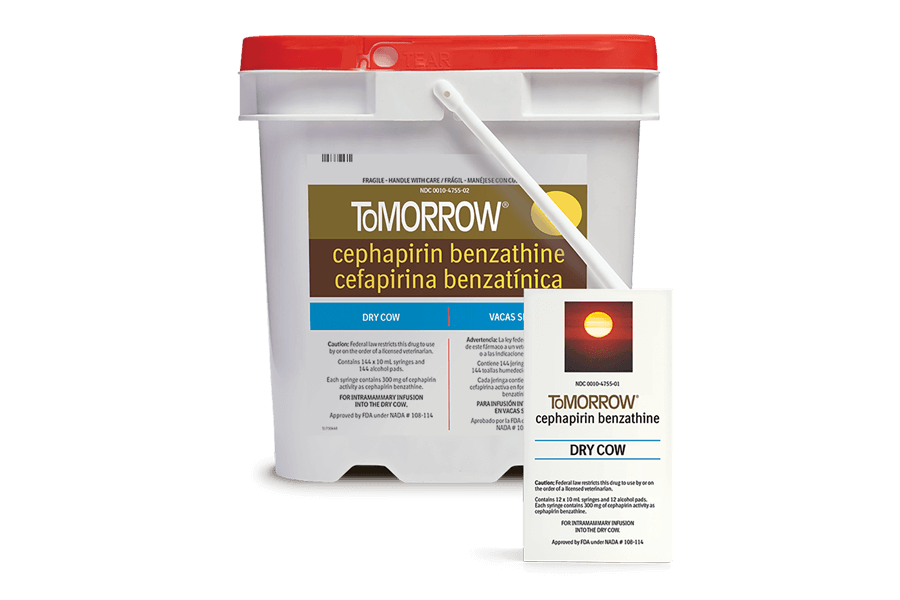
ToMORROW Products

ToMORROW® (cephapirin benzathine)

ToMORROW Products

ToMORROW® (cephapirin benzathine)

JVAC package

J-VAC®

JVAC package

J-VAC®

Lockout Products

LOCKOUT®

Lockout Products

LOCKOUT®

ToMORROW Products

ToMORROW® (cephapirin benzathine)

ToMORROW Products

ToMORROW® (cephapirin benzathine)

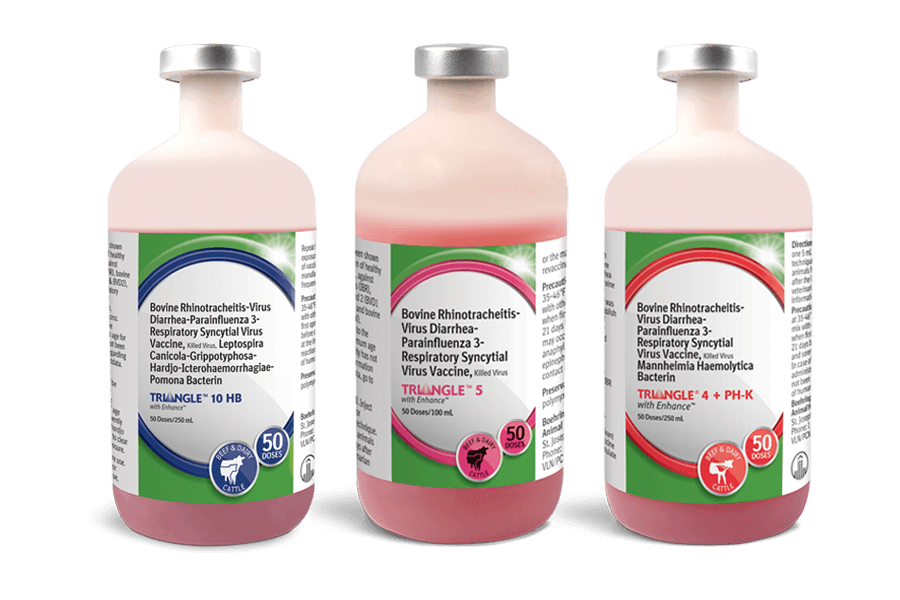
TRIANGLE packaging

TRIANGLE®

TRIANGLE packaging

TRIANGLE®

TRIANGLE packaging

TRIANGLE®

TRIANGLE packaging

TRIANGLE®

Important Safety Information

DRY-CLOX RESIDUE WARNINGS: For use in dry cows only. Not to be used within 30 days of calving. Any animal infused with this product must not be slaughtered for food until 30 days after the latest infusion. Precautions: Because it is a derivative of 6-aminopenicillanic acid, DRY-CLOX has the potential for producing allergic reactions. Such reactions are rare; however, should they occur, the subject should be treated with antihistamines or pressor amines, such as epinephrine. For more information, including full prescribing information, visit this link or call 888-637-4251.


LOCKOUT WITHDRAWAL INFORMATION: LOCKOUT requires no milk or pre-slaughter withdrawal when used alone. If dry cow treatment is used in conjunction with LOCKOUT, follow recommended antibiotic withdrawal times per the label.


ToMORROW RESIDUE WARNINGS: For use in dry cows only. Not to be used within 30 days of calving. Milk from treated cows must not be used for food during the first 72 hours after calving. Any animal infused with this product must not be slaughtered for food until 42 days after the latest infusion. For more information, including full prescribing information, visit this link or call 888-637-4251.

Green Block

Explore products

Count on Boehringer Ingelheim for a wide array of products to help keep your dairy cattle in good health and at peak performance.

1 Wankhade P, Manimaran A, Kumaresan A, et al. Metabolic and immunological changes in transition dairy cows: A review. Vet World 2017;10(11):1367–1377.


DRY-CLOX®, J-VAC®, the J-VAC logo®, LOCKOUT®, ToMORROW® and TRIANGLE® are registered trademarks of Boehringer Ingelheim Animal Health USA Inc. BOVIKALC® is a registered trademark of Boehringer Ingelheim Vetmedica GmbH, used under license. ©2026 Boehringer Ingelheim Animal Health USA Inc., Duluth, GA. All rights reserved. US-RUM-0072-2025