
by Boehringer Ingelheim /April 9, 2026
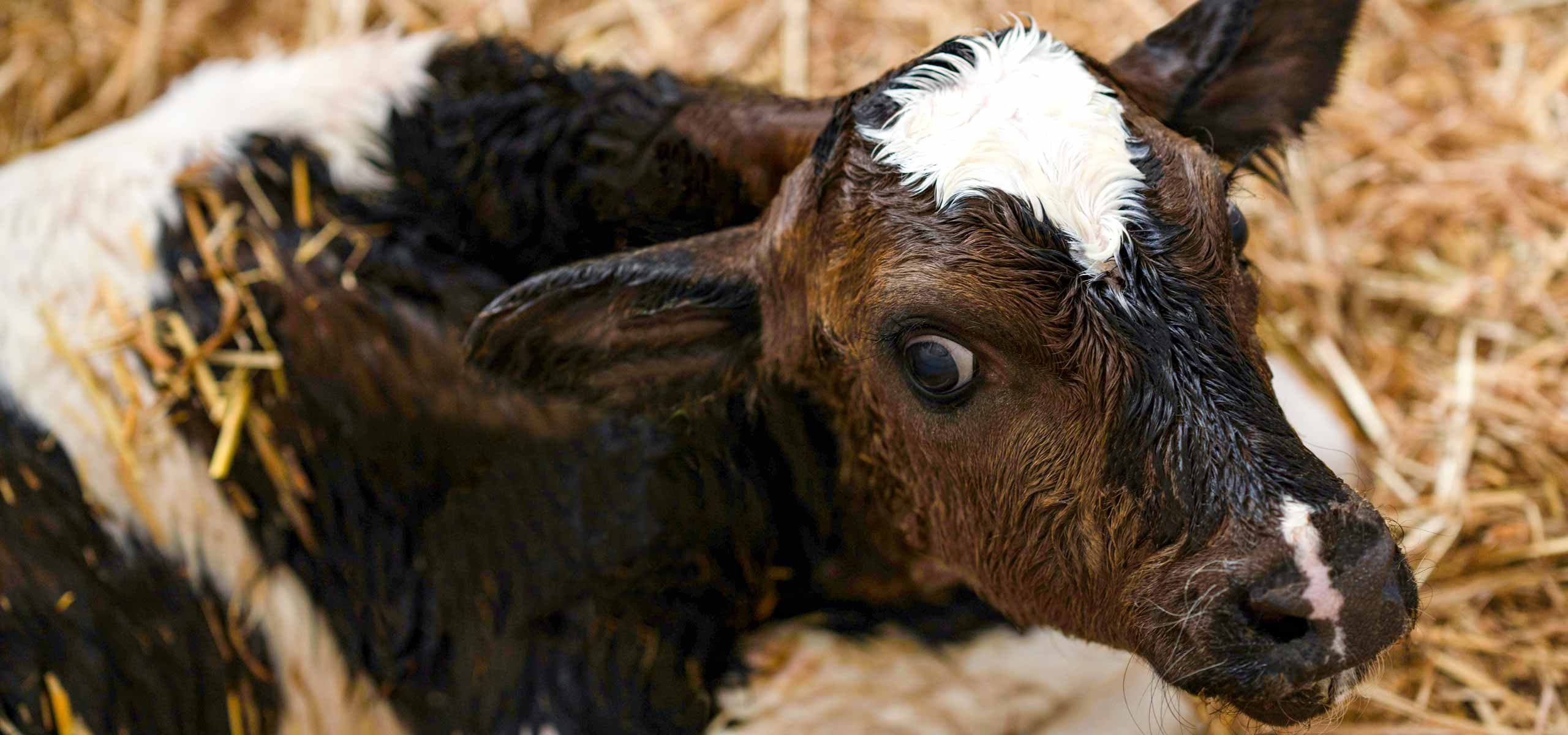
Bovine respiratory disease (BRD) in calves can escalate quickly, making early action essential. Discover how Mannheimia haemolytica contributes to BRD in cattle and what steps you can take to detect, prevent and treat it effectively.
Mannheimia haemolytica is one of the leading causes of BRD in cattle.1 Not only is it common, but it can cause severe pneumonia in calves with a high mortality rate. Animals with an infection can go from seemingly healthy to deceased in a day’s time.
Although this pathogen can strike at any age, it’s a much more serious problem in young calves.
"Mannheimia haemolytica produces a toxin that kills white blood cells, which are important for immunity,” said Mark van der List, DVM, Boehringer Ingelheim. “White blood cells have enzymes meant to kill bacteria they ingest, but when those cells are killed, the enzymes are released and damage tissue."
“That’s why Mannheimia haemolytica is so pathogenic,” added Dr. van der List. “Pneumonia in calves caused by a similar pathogen — Pasteurella multocida — is usually not as severe.”
How BRD develops in cattle
"Mannheimia haemolytica is a secondary invader,” observed Dr. van der List. “It is a common bacterial flora found in the upper respiratory tract of cattle, and in normal conditions, causes no problems.” However, periods of stress or viral infections, such as bovine viral diarrhea virus and infectious bovine rhinotracheitis virus, can weaken the calf’s immunity and cause the pathogen to move down to the lungs and cause an infection.
Although you may suspect a bovine respiratory disease outbreak involves Mannheimia haemolytica, there’s no way of knowing without laboratory testing. This may involve necropsy or respiratory tract samples taken by your veterinarian. If a calf has bovine respiratory disease, try to catch a case as early as possible to minimize lung damage. There are many symptoms that indicate bovine respiratory disease, including loss of appetite, fever, droopy ears, nasal discharge and coughing.
A respiratory scoring chart is a helpful tool for identifying BRD in cattle. Ultrasound has also stepped up the game diagnostically. Early diagnosis leads to prompt treatment and better outcomes.
“One of the common misconceptions is that bovine respiratory disease isn’t as prevalent in the milk feeding period as it is post weaning,” explained Dr. van der List. “With increased usage of diagnostic methods such as ultrasound, we’re finding there’s quite a lot of respiratory infection occurring preweaning.”
A total approach to prevention
“We want good nutrition and colostrum absorption, proper housing management, a good vaccination program and minimum stress to help prevent infections,” said Dr. van der List. Vaccines should protect against both respiratory virus pathogens and Mannheimia haemolytica.
Air quality and movement are important considerations for young calf respiratory health. Outdoor hutches or indoor calf-rearing systems with natural ventilation and a positive-pressure ventilation system for housed calves work best for optimum airflow.
With the highly contagious nature of some respiratory pathogens, avoiding nose-to-nose contact between calves is also an important preventive measure. “If you’re using pair housing, make sure you have separation from one group to the next so the infectious pathogen can’t work its way down the line,” noted Dr. van der List.
Mannheimia haemolytica treatment
If you have a bovine respiratory disease problem in your herd, involve your veterinarian early to run diagnostics, identify what’s causing the problem, and prescribe an effective, fast-acting antibiotic labeled to treat the pathogen identified. ZACTRAN® (gamithromycin) is an antibiotic that is rapidly absorbed and distributed to lung tissue and is labeled for the treatment and control of Mannheimia haemolytica and other respiratory pathogens.2
“If the calf isn’t responding to treatment, your veterinarian can take samples and run antibiotic sensitivity testing to ensure the bacteria is sensitive to the antibiotic,” Dr. van der List concluded.
Talk to your veterinarian about protecting calves from BRD caused by Mannheimia haemolytica and explore how fast-acting treatment with ZACTRAN can help manage outbreaks.
References:
1 Griffin D, Chengappa M, Kuszak J, McVey DS. Bacterial pathogens of the bovine respiratory disease complex. Vet Clin North Am Food Anim Pract 2010;26(2):381–394.
2 Sifferman RL, Wolff WA, Holste JE, et al. Field efficacy evaluation of gamithromycin for treatment of bovine respiratory disease in cattle at feedlots. Intern J Appl Res Vet Med 2011;9(2):166–175.
ZACTRAN IMPORTANT SAFETY INFORMATION: For use in cattle only. Do not treat cattle within 35 days of slaughter. Because a discard time in milk has not been established, do not use in female dairy cattle 20 months of age or older, or in calves to be processed for veal. The effects of ZACTRAN on bovine reproductive performance, pregnancy and lactation have not been determined. Subcutaneous injection may cause a transient local tissue reaction in some cattle that may result in trim loss of edible tissues at slaughter. NOT FOR USE IN HUMANS. KEEP OUT OF REACH OF CHILDREN.
ZACTRAN® is a registered trademark of Boehringer Ingelheim Animal Health France, used under license. ©2026 Boehringer Ingelheim Animal Health USA Inc., Duluth, GA. All rights reserved. US-RUM-0168-2025