
by Boehringer Ingelheim/April 6, 2026
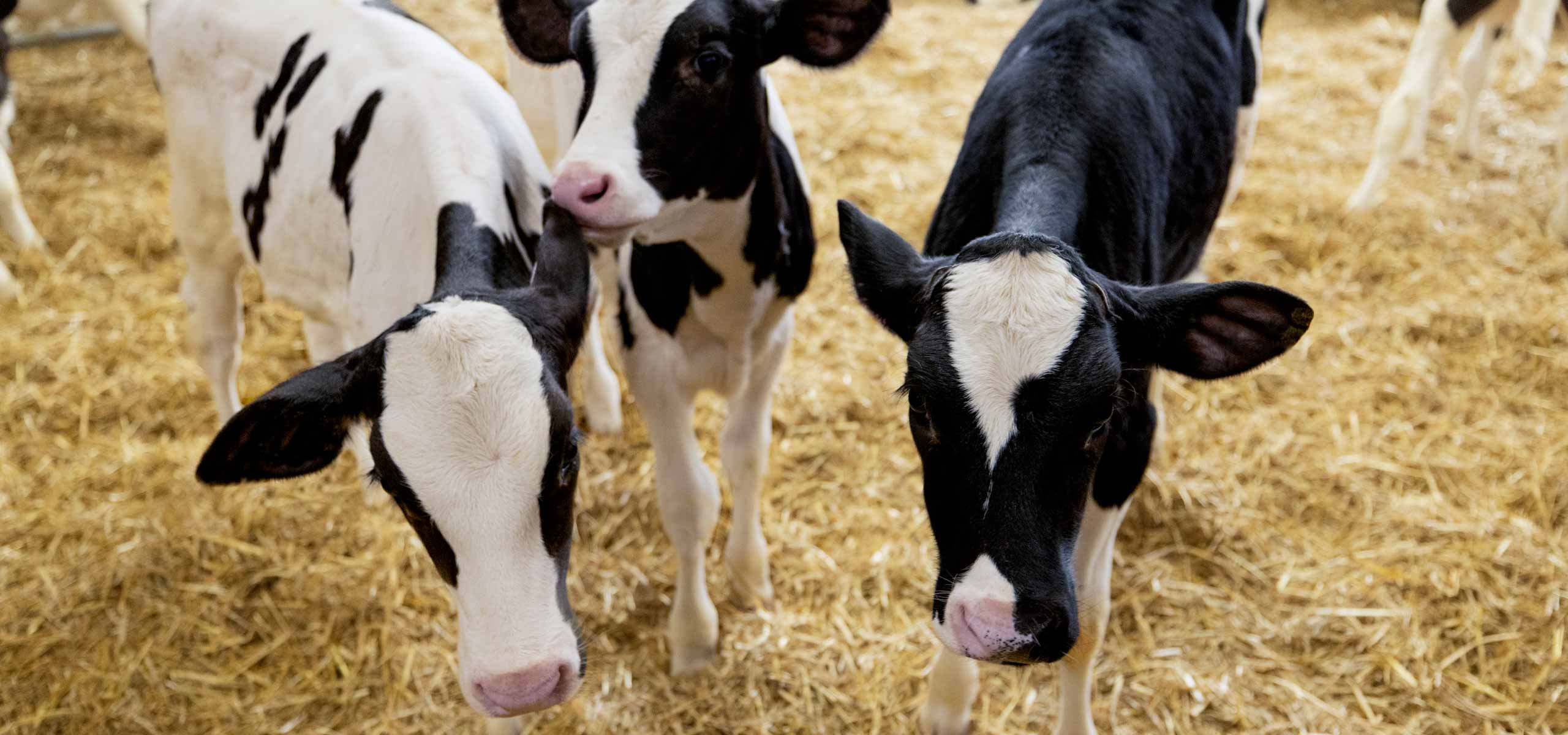
Metaphylaxis is a strategic tool to help reduce the risk of bovine respiratory disease (BRD) in high-stress situations, like transporting calves. Learn when and how to use metaphylaxis effectively, with guidance from a veterinarian and a focus on judicious antibiotic use.
Metaphylaxis is the administration of a respiratory antibiotic to a group of at-risk calves to reduce sickness and death. When we can forecast events that are sure to cause stress in calves, like transporting them to a calf ranch or feedlot, metaphylaxis provides an opportunity to mitigate the risk of bovine respiratory disease (BRD), also known as shipping fever, and other illnesses.
“Because it’s such a broad management practice, we need to be very targeted with our protocols,” said Curt Vlietstra, DVM, Boehringer Ingelheim.
One of the most challenging aspects of metaphylaxis is knowing when it is appropriate to implement. The following management practices are not only a helpful guide to set up any calf for a healthy life, but they also are the key to using metaphylaxis judiciously.
Connect with your veterinarian before implementing metaphylaxis
The most critical step in starting up a metaphylaxis program is working with your herd veterinarian. It’s important to recognize exactly how metaphylaxis works and how it will be implemented on your operation. Your veterinarian’s knowledge and experience will ensure that a well-set-up treatment program is established from the start.
Practice BRD prevention
Before implementing metaphylaxis, have management-focused bovine respiratory disease prevention measures set in place. Making sure cattle receive good nutrition, appropriate vaccinations and a clean, comfortable environment is also important. We know, however, that even the most rigorous BRD prevention protocols are not going to work 100% of the time.
“I think keeping realistic expectations is important,” asserted Dr. Vlietstra. “Even with metaphylaxis, you’re going to have sick calves.” Early intervention is a key piece to battling BRD and reducing long-term damage.
Evaluate records and performance regularly
When considering the relevance of metaphylaxis, the answer is always going to be shown in your performance records.
“If records indicate that a high number of sick calves are needing treatment after a stressful event, and it is an event you can predict, like transporting calves, it can make sense to treat the group all at one time,” Dr. Vlietstra pointed out. “This is, of course, assuming that you have done everything you can to avoid it.”
Dr. Vlietstra added that metaphylaxis shouldn’t be the norm. “Records should be used regularly to evaluate the need for the practice,” he stressed.
Choose the right BRD antibiotic
There are a number of different bacteria that can be involved with BRD, so choosing a broad-spectrum antibiotic is important. Spectrum of activity, speed of action, post-metaphylactic treatment interval and the length of time the antibiotic is effective in the bloodstream are other factors that should be considered.
Communicate with the calf ranch
Open communication should be a shared responsibility between your farm and the calf ranch, ensuring the best BRD management prior to transporting calves. Knowing when and where calves are going to be vaccinated and/or treated for bovine respiratory disease is crucial for calf success, your economics and judicious antibiotic use.
Conversations between source farms and ranch managers to solidify these details can instill confidence in treatment protocols. These conversations are more productive when there are accurate records to reference.
Metaphylaxis is a proven treatment method, and when paired with strong existing management, it can be a great addition to your operation.
“We know that metaphylaxis works to reduce overall BRD rate in cattle, but we should remember that just because we use an antibiotic to manage now, doesn’t mean that we’ll have to use one all the time,” concluded Dr. Vlietstra. “Metaphylaxis isn’t meant to be used in place of good management, but instead is a piece of management, and should be evaluated and adjusted regularly, with the help of the herd veterinarian.”
Learn how ZACTRAN® (gamithromycin) can support your metaphylaxis protocols and help protect calves from BRD.
ZACTRAN IMPORTANT SAFETY INFORMATION: For use in cattle only. Do not treat cattle within 35 days of slaughter. Because a discard time in milk has not been established, do not use in female dairy cattle 20 months of age or older, or in calves to be processed for veal. The effects of ZACTRAN on bovine reproductive performance, pregnancy and lactation have not been determined. Subcutaneous injection may cause a transient local tissue reaction in some cattle that may result in trim loss of edible tissues at slaughter. NOT FOR USE IN HUMANS. KEEP OUT OF REACH OF CHILDREN.
ZACTRAN® is a registered trademark of Boehringer Ingelheim Animal Health France, used under license. ©2026 Boehringer Ingelheim Animal Health USA Inc., Duluth, GA. All rights reserved. US-RUM-0056-2025-V2.