
by Boehringer Ingelheim/February 6, 2025
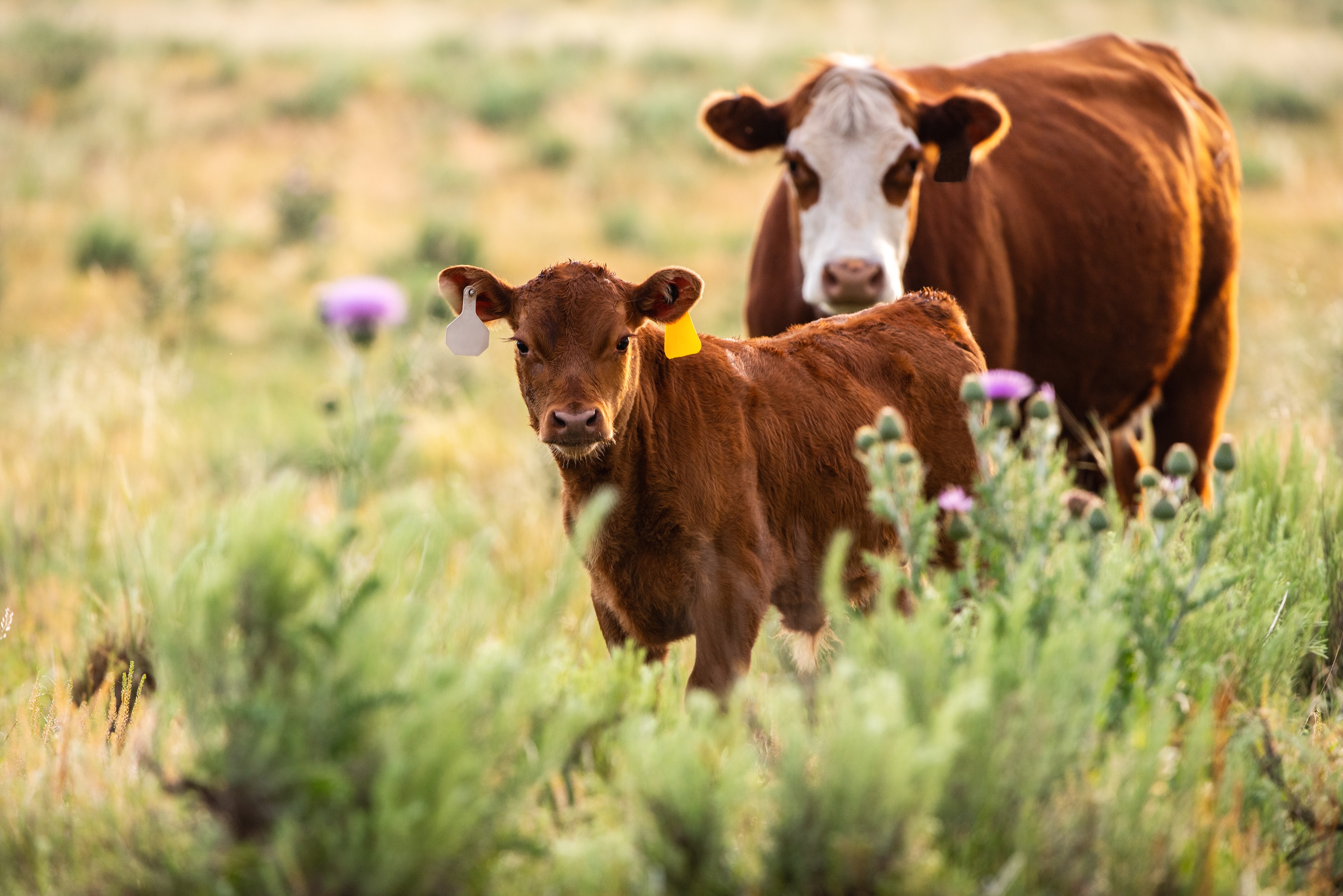
We can’t control everything on a cattle operation. But we can make a battle plan to protect calves from bovine respiratory disease (BRD) long before we ever reach for antibiotics. Vaccination remains one of the most effective ways to prevent losses associated with BRD, but no vaccine can prevent infection 100% of the time. Building robust immunity against BRD involves a mix of maternal antibodies and vaccine-derived immunity.
Prioritize colostrum
“Calves are born without any real immune defenses to disease challenge,” explained Matt Washburn, DVM, MS, Boehringer Ingelheim. “The colostrum that calves should receive in the first few hours after birth is filled with antibodies, and will be their primary means of immunity for the first few months of life. Ensuring calves receive this colostrum is critical for future health and performance.” Ideally, calves should ingest adequate amounts of high-quality colostrum within four hours of birth.1
Maternal antibodies from colostrum, however, will eventually wane, and calves will need to start developing their own immunity. Vaccination stimulates a calf’s immune system to start producing its own antibodies against specific disease-causing agents.
Choose the right vaccine at the right time
“It’s essential to know what the main pathogen risks are for your operation,” shared Dr. Washburn. “Not every herd is the same, so your veterinarian will be able to help decipher that risk, based on disease history in the herd and common disease challenges seen in that geography.”
Vaccination timing is also critical. Waiting until weaning to vaccinate could leave calves unprotected during the summer months, when they are most susceptible to summer pneumonia. So, how can producers find the sweet spot for vaccination, prior to losing all the protection associated with maternal antibodies, and before natural exposure to disease-causing pathogens?
“Calves will typically begin to lose maternal antibodies between 2 and 6 months of age, so I typically recommend vaccinating calves on the early side of that time period,” said Dr. Washburn. “Cattle are most vulnerable to disease when stress suppresses the immune system, so it’s also important to try and vaccinate at least two weeks before an anticipated stressful event.”
Producers should be aware of whether their chosen vaccine will remain effective in the face of maternal antibodies. With some vaccines, antibodies absorbed from colostrum can interfere with the development of immunity for several months after birth. Therefore, it’s important to administer a vaccine proven to stimulate immunity in calves even in the presence of colostral antibodies.
BRD is the costliest cause of sickness and death in the beef-finishing industry.2 Building robust immunity composed of both maternal and vaccine-derived immunity is a vital step in a successful overall BRD management strategy. Every herd is different, so remember to consult a veterinarian to develop the most effective protocols for your operation.
References:
1 Homerosky ER, Timset E, Pajor EA, et al. Predictors and impacts of colostrum consumption by four hours after birth in newborn beef calves. Vet J 2017;228:1–6.
2 Duff GC, Galvean ML. Board-invited review: recent advances in management of highly stressed, newly received feedlot cattle. J Anim Sci 2007;85(3):823– 840. doi:10.2527/jas.2006-501.
©2025 Boehringer Ingelheim Animal Health USA Inc., Duluth, GA. All rights reserved. US-RUM-0058-2025